

An easy homemade coffee creamer recipe with simple ingredients, dairy-free options, storage tips, and ways to enjoy better coffee at home.
Have you ever wanted creamy coffee but had no sweetened condensed milk at home?
Or perhaps you want to skip extra sugar. Maybe you want to save money. You may also want a dairy-free coffee creamer that fits your morning routine.
You are in the right place.
This homemade coffee creamer is simple to make. You can adjust the sweetness, choose your favorite milk, and add the flavors you love. You do not need fancy tools. You only need a few basic ingredients and a few minutes.
This guide shows you how to make coffee creamer without condensed milk. It also covers dairy-free swaps, coffee pairings, storage, and common mistakes.
Let’s make your next cup of coffee feel a little more special.
What Is Homemade Coffee Creamer?
Homemade coffee creamer is a mix of milk or a milk alternative, plus other ingredients that add creaminess and flavor to coffee.
Unlike sweetened condensed milk, a basic homemade creamer does not need to be thick or very sweet. You can choose how rich or light you want it to be.
You can use it in:
A homemade creamer also gives you more control over the ingredients. You can make a plain version, a vanilla version, or a dairy-free version.
The key is to start with a base you enjoy. Then adjust the flavor to suit your coffee.
Ingredients for Homemade Coffee Creamer Without Condensed Milk
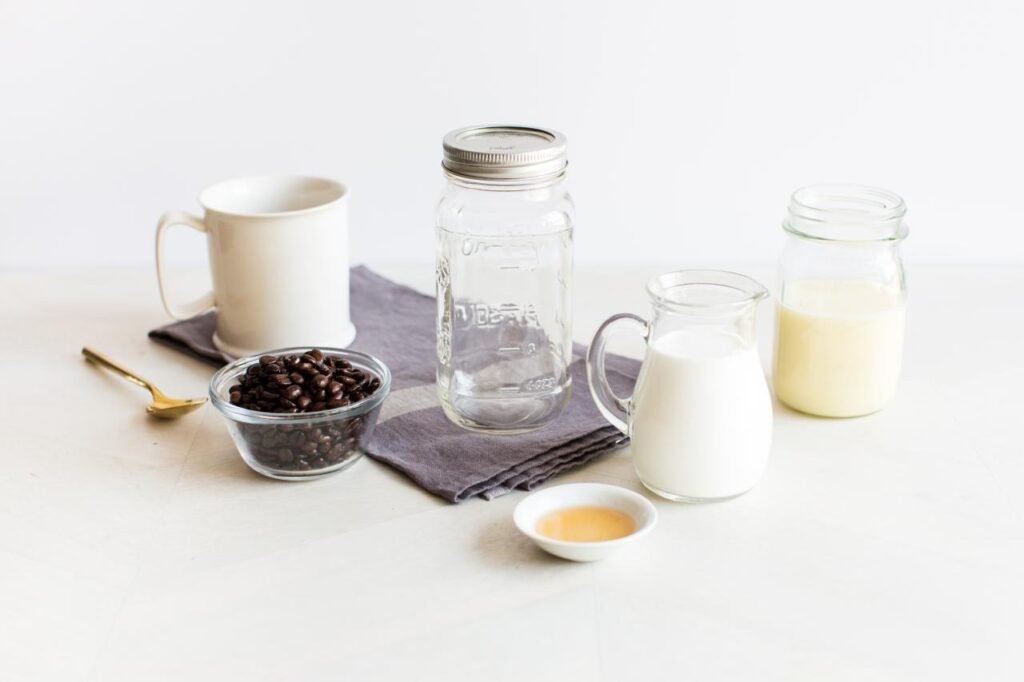
This recipe uses a simple dairy base. You can also find swaps below.
Ingredients
This makes about 1½ cups of creamer before any minor loss during preparation. The amount used per cup of coffee will vary.
Why these ingredients work
Whole milk: Adds a smooth milk base. It keeps the creamer lighter than using cream alone.
Heavy cream: Adds richness. It gives the coffee a fuller mouthfeel.
Maple syrup or sugar: Adds sweetness. You can leave it out for an unsweetened creamer.
Vanilla extract: Adds a warm, familiar flavor. It works well with both hot and iced coffee.
Salt: Optional. A tiny amount may help balance sweetness, but it is not required.
If you want a lighter creamer, reduce the heavy cream and use more milk. The result will be less rich.
How to Make Homemade Coffee Creamer
Making homemade coffee creamer is easy. The main goal is to warm the mixture gently and blend the ingredients well.
Step 1: Measure your ingredients
Measure the milk, heavy cream, sweetener, and vanilla extract.
If you prefer less sweetness, start with one tablespoon of sweetener. You can add more later.
Step 2: Warm the milk and cream
Add the whole milk and heavy cream to a small saucepan.
Warm over low heat. Stir often.
The mixture should become warm, not boiling. Avoid high heat. You do not need to cook the creamer for a long time.
Step 3: Add the sweetener
Add your chosen sweetener. Stir until it dissolves.
If you use maple syrup, stir well so it mixes into the base. If you use sugar, gentle heat can help it dissolve.
Step 4: Add vanilla
Remove the saucepan from the heat.
Add the vanilla extract. Stir well.
Taste a small amount after it has cooled enough to handle safely. Add a little more sweetness if needed.
Step 5: Cool and store
Let the creamer cool. Pour it into a clean container.
Cover it and refrigerate it promptly. Follow the storage guidance below.
Shake or stir before use if the mixture separates.
Recipe tip: Make a small batch first. This lets you test the flavor before preparing a larger amount.
How to Make Dairy-Free Coffee Creamer
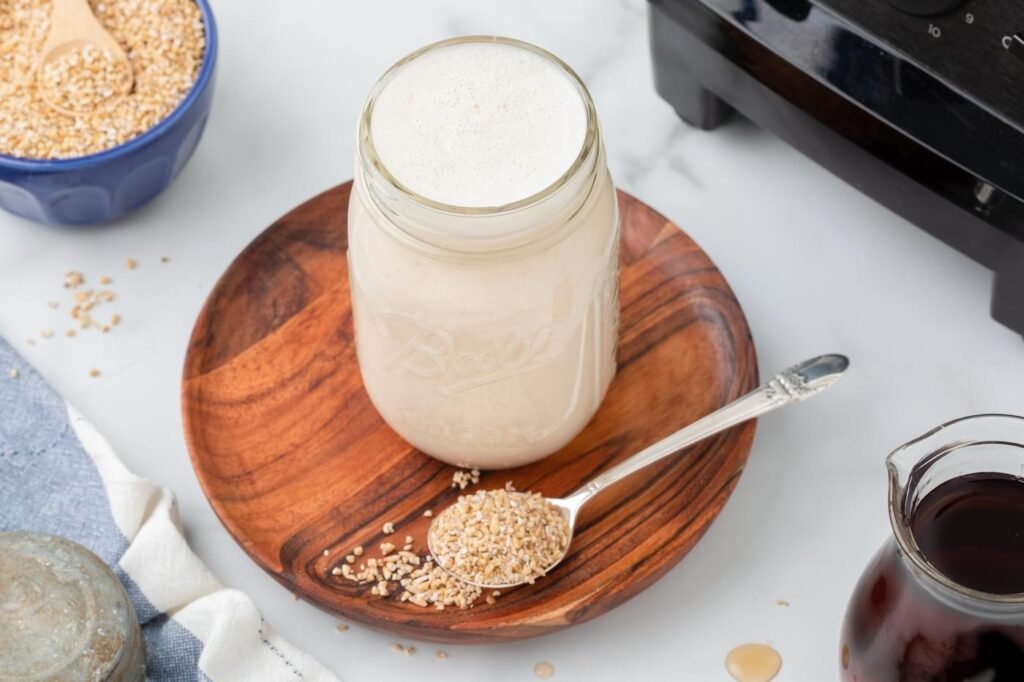
You do not need dairy to make a creamy coffee drink.
A plant-based milk can work well. The best choice depends on the flavor and texture you want.
Oat milk coffee creamer
Oat milk has a mild taste. It can work well in both hot coffee and iced coffee.
For a simple dairy-free option, use:
Choose products that suit your dietary needs. Some oat milks contain added sugar, so check the label if you want a low-sugar creamer.
Coconut milk coffee creamer
Coconut milk can add a rich texture and a coconut flavor.
It works well with:
The flavor may be noticeable. If you do not enjoy coconut, oat milk may be a better choice.
Almond milk coffee creamer
Almond milk often has a lighter texture. It can work for people who prefer a less rich coffee creamer.
It may not give the same body as heavy cream. You can test a small batch and adjust the base to your taste.
Allergy note: Check ingredient labels for nuts, dairy, soy, and other allergens. A plant-based product is not automatically free of every allergen.
Homemade Coffee Creamer vs. Store-Bought Creamer
Both options have benefits. The right choice depends on your time, budget, and ingredient preferences.
| Feature | Homemade creamer | Store-bought creamer |
| Ingredient control | You choose the ingredients | Depends on the product |
| Flavor | Easy to adjust | Ready-made flavor |
| Preparation | Requires some time | Ready to use |
| Storage | Shorter, recipe-specific shelf life | Follow package directions |
| Sweetness | Easy to change | Depends on the label |
| Cost | Depends on ingredients | Depends on brand and size |
Is homemade coffee creamer cheaper?
It can be. But the answer depends on your ingredients and portion size.
Heavy cream, vanilla, and specialty plant milks can cost more than basic commercial products. Homemade does not always mean cheaper.
A fair comparison should use:
This gives you a better picture of the actual cost.
How to Make Low-Sugar Coffee Creamer
If you are trying to reduce sugar, homemade creamer gives you control over the amount you add.
You can start with an unsweetened base. Then add a small amount of sweetener if you need it.
Simple ways to reduce sweetness
Is homemade coffee creamer keto?
Not every homemade creamer is keto.
Milk contains natural carbohydrates. Maple syrup and sugar add carbohydrates. Some plant-based products also contain added sugar.
If you follow a keto diet, check the carbohydrate content of each ingredient. Calculate the amount per serving. Choose ingredients that fit your own dietary plan.
Is homemade coffee creamer good for people with diabetes?
The recipe is not automatically suitable for every person with diabetes.
Milk, sweeteners, and serving size can affect the carbohydrate content. A sugar-free product may still contain carbohydrates from milk or other ingredients.
Check the labels and portion sizes. If you manage diabetes, discuss dietary choices with your healthcare professional.
How to Use Homemade Coffee Creamer in Different Drinks
A good coffee creamer should fit your favorite drink. You may need a different amount for hot coffee than for cold brew.
Hot brewed coffee
Start with one to two tablespoons of creamer per cup.
Stir well. Taste the coffee before adding more.
If the coffee tastes too weak, reduce the creamer. If it tastes too strong, add a little more.
Iced coffee
Add creamer to chilled coffee. Stir well before serving.
You can also mix the creamer with the coffee before adding ice. This helps you check the flavor first.
Cold brew
Cold brew can taste strong, depending on the recipe.
Start with a small amount of creamer. Add more if you want a richer drink.
If your cold brew is already diluted, you may need less creamer.
Homemade latte
For a latte-style drink, combine espresso or strong coffee with warm milk and a small amount of creamer.
The creamer adds sweetness and flavor. It does not replace the need to choose a suitable milk texture for frothing.
How Much Does Homemade Coffee Creamer Cost?
The cost depends on where you shop and which ingredients you choose.
Here is a simple way to calculate it.
Cost calculation
Batch cost = Cost of all ingredients used
Cost per serving = Total batch cost ÷ Number of servings
For example, if a batch costs $3 and gives 12 servings:
$3 ÷ 12 = $0.25 per serving.
This is only an example. Your actual cost will depend on ingredient prices, waste, and serving size.
Cost-saving tips
- Buy ingredients you already use.
- Make small batches to reduce waste.
- Compare the cost of different milk bases.
- Use vanilla extract sparingly.
- Avoid buying ingredients only for one recipe if you will not use them again.
A homemade coffee creamer can be a good way to use ingredients already in your kitchen. But compare prices before assuming it will save money.
Common Homemade Coffee Creamer Mistakes
Small changes can affect the taste and texture of your creamer.
1. Using too much sweetener
Too much sugar can hide the coffee flavor.
Start with less. Add more only if needed.
2. Heating the mixture too much
High heat can change the texture and may cause unwanted separation.
Warm the base gently. Avoid boiling unless the specific recipe requires it.
3. Choosing the wrong plant-based milk
Some plant milks are thin. Others are rich or have a strong flavor.
Test your chosen base in a small batch before making a large amount.
4. Adding too much creamer
A large amount of creamer can make coffee taste weak.
Start with a small serving. Adjust based on your coffee strength and taste.
5. Ignoring storage
Homemade creamer does not have the same shelf life as every commercial product.
Use a clean container. Refrigerate it promptly. Follow safe storage guidance.
How Long Does Homemade Coffee Creamer Last?
Homemade coffee creamer is perishable. Its storage life depends on the ingredients, preparation method, and handling.
There is no single safe storage period for every homemade creamer.
For a milk-and-cream recipe, keep it refrigerated and use a conservative, tested storage recommendation. If you make a dairy-free version, follow the same careful approach and consider the ingredients used.
Storage checklist
Practical advice: Make a small batch that you can use within a short period. This can reduce waste and help you keep track of freshness.
For food safety, use guidance from a reliable food-safety authority when setting a specific storage limit.
Homemade Coffee Creamer FAQ
Q1. Can I make coffee creamer without condensed milk?
Yes. You can use milk, cream, or a plant-based milk as the base. Add vanilla and your preferred sweetener to create a simple homemade coffee creamer.
Q2. What can I use instead of condensed milk in coffee creamer?
Whole milk, heavy cream, oat milk, almond milk, or coconut milk can work, depending on the recipe. These options do not all have the same sweetness or thickness as condensed milk.
Q4. Can I make homemade coffee creamer without sugar?
Yes. Leave out added sugar or use an unsweetened base. Vanilla and spices can add flavor without adding sugar. Check the natural sugar content of your chosen milk.
Q5. Can I use oat milk for homemade coffee creamer?
Yes. Oat milk can be used as a dairy-free base. Barista-style oat milk may give a different texture from regular oat milk. Check the label for added sugar and allergens.
Q6. Why does my homemade coffee creamer separate?
Separation can happen because of differences in ingredients, temperature, and emulsification. Some plant-based milks are more prone to separating in coffee. Stir the creamer and test a different base if needed.
Q7. Can I use homemade coffee creamer in iced coffee?
Yes. Homemade creamer works in iced coffee and cold brew. Start with a small amount, stir well, and adjust the flavor to suit the strength of your coffee.
Q8. Is homemade coffee creamer healthier than store-bought?
Not automatically. Homemade creamer gives you more control over ingredients and sweetness. Its nutrition depends on the milk, cream, sweetener, and portion size you use.
Final Thoughts
Making homemade coffee creamer without condensed milk is a simple way to change your daily coffee.
You can choose a creamy dairy base, try oat milk, reduce added sugar, or add vanilla for a familiar flavor. You can also adjust the recipe to suit hot coffee, iced coffee, or cold brew.
Start with a small batch. Use ingredients you enjoy. Keep the creamer cold and handle it safely.
The best homemade coffee creamer is one that fits your taste, budget, and routine.
Want more homemade coffee ideas? Explore our coffee recipes and brewing guides for simple ways to enjoy better coffee at home.


